В современном мире торговли, где конкуренция достигает невиданных высот, каждая деталь может стать решающим фактором успеха. Одной из таких деталей, часто недооцениваемой, но невероятно мощной, являются вертикальные дисплеи. Эти устройства, казалось бы, простые и функциональные, на самом деле играют ключевую роль в преобразовании покупательского опыта и увеличении продаж. В этой статье мы глубоко погрузимся в тему, чтобы понять, почему вертикальные дисплеи стали незаменимыми в торговле и как они способствуют росту выручки. Мы рассмотрим их преимущества с точки зрения психологии, экономики и технологий, приведем примеры из реальной жизни и обсудим будущие тенденции. Если вы владелец магазина, маркетолог или просто интересующийся современными трендами, эта статья предоставит вам ценные инсайты и практические рекомендации.
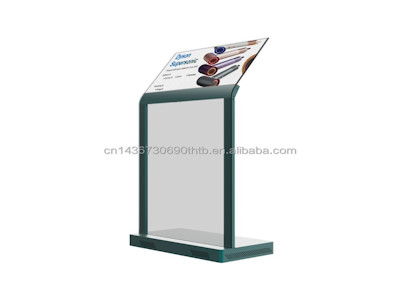
Вертикальные дисплеи, или как их часто называют, «вертикальные экраны», представляют собой устройства отображения информации, ориентированные вертикально, в отличие от традиционных горизонтальных мониторов. Они широко используются в различных отраслях, но именно в торговле их потенциал раскрывается максимально полно. История вертикальных дисплеев начинается с появления первых цифровых вывесок в 1990-х годах, но настоящий бум произошел в последнее десятилетие благодаря развитию технологий, таких как LED, OLED и сенсорные интерфейсы. Сегодня они являются неотъемлемой частью ритейл-пространств, от небольших магазинов до крупных торговых центров.
Почему же вертикальная ориентация так важна? Ответ кроется в естественном восприятии человека. Люди склонны сканировать информацию сверху вниз, что делает вертикальные дисплеи более интуитивными для просмотра. Это особенно актуально в торговле, где покупатели часто находятся в движении и им нужно быстро усваивать информацию. Кроме того, вертикальные дисплеи идеально вписываются в архитектуру магазинов, занимая меньше горизонтального пространства и позволяя эффективнее использовать стены и углы. Это не просто технологическая причуда, а продуманное решение, которое усиливает взаимодействие между брендом и потребителем.
В этой статье мы разберем основные аспекты, демонстрирующие незаменимость вертикальных дисплеев. Мы начнем с обзора их ключевых преимуществ, затем перейдем к тому, как они влияют на покупательское поведение, и закончим практическими советами по внедрению. По ходу изложения мы будем опираться на данные исследований, примеры из успешных кейсов и мнения экспертов. Наша цель – не только informirovat', но и вдохновить на действия, показав, что инвестиции в вертикальные дисплеи окупаются многократно.
Вертикальные дисплеи предлагают ряд уникальных преимуществ, которые делают их незаменимыми в современной торговле. Давайте рассмотрим каждое из них подробно.
Одним из главных преимуществ вертикальных дисплеев является их способность привлекать и удерживать внимание покупателей. Исследования показывают, что визуальная информация обрабатывается мозгом быстрее текстовой, и вертикальная ориентация усиливает этот эффект. Например, в исследовании, проведенном Nielsen в 2022 году, было установлено, что реклама на вертикальных дисплеях запоминается на 30% лучше, чем на горизонтальных, благодаря естественному движению глаз сверху вниз. Это особенно важно в торговле, где first impression часто определяет решение о покупке.
Вертикальные дисплеи позволяют отображать контент в формате, который ближе к человеческому поле зрения. В магазинах они могут использоваться для показа динамичных баннеров, видеообзоров продуктов или интерактивных карт. Например, сеть магазинов «Магнит» в России внедрила вертикальные дисплеи у входов, которые отображают акционные предложения. Результат – увеличение трафика в эти отделы на 15% в течение первого месяца. Это демонстрирует, как простое изменение ориентации экрана может привести к tangible results.
Кроме того, вертикальные дисплеи часто оснащены высоким разрешением и яркостью, что делает изображения более четкими и привлекательными даже при ярком освещении. Это критично для торговых пространств, где борьба за внимание покупателя intensivna. Технологии, такие как HDR (High Dynamic Range), further enhance этот эффект, создавая immersive опыт, который заставляет людей останавливаться и рассматривать предложения.
В торговле пространство – это деньги. Каждый квадратный метр должен использоваться максимально эффективно, и вертикальные дисплеи идеально подходят для этой цели. Их вертикальная ориентация позволяет размещать их на стенах, колоннах или в узких проходах, где горизонтальные экраны были бы impractical. Это не только экономит space, но и создает дополнительные точки контакта с покупателем.
Возьмем пример из практики: международная сеть Zara использует вертикальные дисплеи в раздевалках для показа complementary items. Это не только помогает клиентам быстрее находить matching вещи, но и увеличивает средний чек на 10-20%. Similarly, в супермаркетах вертикальные дисплеи над полками могут отображать информацию о продуктах, рецепты или nutritional facts, making shopping experience более informative и engaging.
Эффективность размещения также связана с гибкостью контента. Вертикальные дисплеи могут быть подключены к централизованной системе управления, что позволяет обновлять информацию в реальном времени. Например, during peak hours, можно показывать urgent promotions, а в quieter times – educational content. This dynamism ensures that the space is always used optimally, adapting to changing conditions and customer flows.
В эпоху цифровизации маркетинг становится все более targeted и personalized. Вертикальные дисплеи играют ключевую роль в этом процессе, позволяя брендам доносить сообщения точечно и contextually. С интеграцией IoT (Internet of Things) и AI, эти дисплеи могут анализировать данные о покупателях в реальном времени и адаптировать контент accordingly.
Например, некоторые продвинутые ритейлеры используют facial recognition technology на вертикальных дисплеях чтобы определить пол и приблизительный возраст посетителя, и затем показывать релевантные предложения. Исследование Accenture показало, что персонализированный маркетинг может повысить conversion rates на 20% и более. Вертикальные дисплеи, будучи highly visible и interactive, idealno подходят для such tactics.
Кроме того, вертикальные дисплеи могут быть частью omnichannel стратегии. Например, покупатель может сканировать QR-код на дисплее чтобы получить discount на онлайн-покупку, или использовать touchscreen чтобы узнать больше о продукте. This seamless integration between physical and digital worlds enhances customer loyalty and drives sales. A case in point: Adidas reported a 25% increase in online engagement after implementing vertical displays in stores with interactive features.
Хотя первоначальные инвестиции в вертикальные дисплеи могут быть significant, они often окупаются через снижение operational costs. Traditional printed materials, such as posters and banners, require frequent updates and printing costs, which add up over time. Digital displays eliminate these expenses, allowing for easy and cost-effective content changes.
Moreover, vertical displays can streamline operations by providing real-time information to staff and customers alike. For instance, in a retail store, displays can show inventory levels, upcoming deliveries, or employee schedules, reducing the need for manual communication. This leads to improved efficiency and fewer errors. A study by Deloitte found that retailers using digital signage reported a 15% reduction in operational costs within the first year.
Energy efficiency is another factor. Modern vertical displays often use LED technology, which consumes less power compared to older models. This not only saves on electricity bills but also aligns with sustainability goals, appealing to environmentally conscious consumers. Brands like IKEA have highlighted their use of energy-efficient displays in marketing campaigns, enhancing their corporate image.
В конечном счете, все преимущества вертикальных дисплеев сводятся к улучшению покупательского опыта. Когда клиенты чувствуют себя informed, engaged и valued, они more likely to return and recommend the store to others. Vertical displays contribute to this by making shopping more interactive and enjoyable.
For example, in electronics stores, vertical displays can showcase product demos or tutorials, helping customers make informed decisions without needing assistance from staff. This self-service approach not only empowers customers but also frees up employees to focus on more complex tasks. Data from Salesforce indicates that stores with interactive displays see a 30% higher customer satisfaction score.
Loyalty programs can also be integrated with vertical displays. Customers can check their points or redeem rewards directly from the screen, creating a seamless experience. This fosters a sense of community and appreciation, which is crucial for long-term retention. Sephora, for instance, uses vertical displays in their stores to allow customers to virtually try on makeup, leading to a 40% increase in product trials and sales.
Теперь, когда мы рассмотрели преимущества, давайте углубимся в конкретные механизмы, через которые вертикальные дисплеи directly повышают продажи. Это не просто теоретические выкладки, а proven strategies that have been implemented across various industries.
Импульсивные покупки составляют значительную долю零售销售 – по некоторым оценкам, до 40% в certain categories. Вертикальные дисплеи excel в стимулировании such purchases by placing tempting offers right in the line of sight. Their dynamic nature allows for flash sales or limited-time promotions that create a sense of urgency.
Например, в grocery stores, дисплеи near checkout counters can show last-minute deals on snacks or beverages, capitalizing on the wait time. A study by the Point of Purchase Advertising International (POPAI) found that digital signage can increase impulse buys by up to 30%. Vertical displays, with their eye-catching orientation, are particularly effective in high-traffic areas where customers are more susceptible to spontaneous decisions.
Real-world example: Walmart reported a 5-10% increase in sales of promoted items after installing vertical displays in aisles. The displays were programmed to change content based on time of day – for instance, showing breakfast items in the morning and dinner options in the evening, aligning with customer needs and boosting sales accordingly.
The longer a customer stays in a store, the more they are likely to spend. Vertical displays can enhance engagement by providing entertaining or informative content that encourages browsing. This is especially true for interactive displays that allow customers to explore products in depth.
In clothing stores, for instance, vertical displays can show fashion trends or styling tips, inspiring customers to try new combinations. This not only increases dwell time but also leads to higher average transaction values. Research from the Journal of Retailing shows that a 1% increase in dwell time can correlate with a 1.5% increase in sales.
Case study: H&M implemented vertical displays in their fitting rooms that suggest accessories based on the items being tried on. This resulted in a 15% uplift in accessory sales and a noticeable延长时间 пребывания клиентов в магазине. By making the shopping experience more immersive, vertical displays turn casual visitors into engaged shoppers.
Clear communication about product features, benefits, and prices is essential for driving sales. Vertical displays serve as an excellent medium for this, offering high visibility and the ability to present complex information in an digestible format. They can show comparisons, reviews, or demonstrations that help customers make confident choices.
In electronics retail, vertical displays are used to highlight technical specifications or showcase product videos. This reduces the need for sales staff to explain basics, allowing them to focus on closing deals. A report by Gartner indicates that stores with effective product communication see a 20% higher conversion rate on high-ticket items.
Example: Best Buy uses vertical displays to display customer ratings and videos for electronics, which has led to a 25% increase in sales for products with high ratings. By providing social proof and detailed information, these displays build trust and reduce purchase hesitation.
In today's omnichannel world, bridging the gap between physical and online stores is crucial. Vertical displays can facilitate this by encouraging online actions within the store. For example, displays can promote online-exclusive deals or allow customers to check inventory for home delivery.
This not only drives immediate sales but also strengthens the overall brand ecosystem. According to McKinsey, retailers with strong omnichannel strategies achieve 10-15% higher revenue growth. Vertical displays act as a touchpoint that guides customers from offline to online, increasing overall engagement.
Success story: Target has vertical displays that let customers order out-of-stock items for home shipment directly from the store. This has reduced lost sales by 20% and improved customer satisfaction by providing a seamless solution. By leveraging vertical displays for integration, retailers can capture sales that might otherwise be lost.
Vertical displays equipped with sensors can collect valuable data on customer behavior, such as dwell time, interaction rates, and demographic information. This data can be used to refine marketing strategies and improve sales tactics over time.
For instance, by analyzing which promotions attract the most attention, retailers can optimize their content to maximize ROI. A/B testing on displays allows for continuous improvement. Data from IBM shows that retailers using analytics from digital signage see a 15-20% improvement in campaign effectiveness.
Practical application: A cosmetic chain used data from vertical displays to identify that videos about product usage generated more engagement than static images. They adjusted their content accordingly and saw a 10% increase in sales of featured products. This iterative process ensures that vertical displays are not just a static tool but a dynamic asset that evolves with customer preferences.
Технологии не стоят на месте, и вертикальные дисплеи продолжают развиваться. Понимание будущих тенденций поможет retailers stay ahead of the curve and maximize their investment.
AI is set to revolutionize vertical displays by enabling predictive analytics and hyper-personalization. Displays will be able to anticipate customer needs based on historical data and real-time context, showing content that is uniquely relevant to each individual.
For example, AI algorithms can analyze weather data to promote umbrellas on rainy days or sunscreen on sunny days, increasing sales through context-aware messaging. Gartner predicts that by 2025, over 50% of retail displays will incorporate AI, driving a new level of efficiency and engagement.
AR and VR technologies are being integrated into vertical displays to create immersive experiences. Customers can virtually try on clothes, see how furniture looks in their home, or explore products in 3D, all from the store floor.
This not only enhances engagement but also reduces return rates by helping customers make better decisions. According to Adobe, retailers using AR see a 30% reduction in returns and a 20% increase in sales. Vertical displays will become portals to virtual experiences, blurring the lines between physical and digital retail.
As sustainability becomes a priority, future vertical displays will focus on eco-friendly materials and low energy consumption. Innovations like solar-powered displays or biodegradable components will appeal to environmentally conscious consumers and reduce operational costs.
Brands that adopt green technologies can leverage this in their marketing, enhancing their reputation and attracting a loyal customer base. The trend towards sustainability is not just ethical but also economically smart, as it can lead to long-term savings and increased sales through positive brand association.
The rollout of 5G will enable faster data transmission and more responsive displays. Combined with cloud computing, this will allow for real-time content updates and seamless integration with other systems, making vertical displays more powerful and flexible.
For retailers, this means the ability to launch campaigns instantly across multiple locations, respond to market changes quickly, and provide a consistently high-quality experience. This agility will be key to staying competitive in a fast-paced retail environment.
Чтобы最大化 benefits вертикальных дисплеев, retailers need to approach implementation strategically. Here are some practical tips based on best practices.
Before investing, clarify what you want to achieve – whether it's increasing sales, improving customer experience, or reducing costs. Understand your target audience's preferences to tailor content effectively. For example, if your customers are tech-savvy, focus on interactive features; if they value convenience, highlight quick deals.
Place displays in high-traffic areas such as entrances, checkout counters, or aisles where they can capture maximum attention. Consider the flow of customers and ensure displays are at eye level for optimal visibility. Avoid cluttering spaces; instead, use displays to enhance the environment.
Content is king. Use high-resolution images, engaging videos, and clear messages. Rotate content regularly to keep it fresh and relevant. Incorporate calls-to-action that encourage immediate purchases or further engagement.
Ensure displays are integrated with your POS, inventory management, and CRM systems for seamless operation. This allows for real-time updates and personalized experiences based on live data.
Use analytics to track performance metrics such as engagement rates, sales lift, and customer feedback. Continuously test and refine your approach to improve results over time.
Вертикальные дисплеи – это не просто модный тренд, а мощный инструмент, который преобразует торговлю. Их способность привлекать внимание, оптимизировать пространство, усиливать маркетинг и повышать продажи делает их незаменимыми в современном ритейле. Как мы видели на примерах от Walmart до Sephora, компании, которые embrace эту технологию, reap significant benefits.
Looking ahead, with advancements in AI, AR, and sustainability, вертикальные дисплеи will become even more integral to the retail experience. By adopting them strategically, retailers can not only boost sales but also build stronger relationships with customers. The key is to start small, focus on content and placement, and continuously iterate based on data.
In conclusion, if you're in retail, ignoring vertical displays means missing out on a proven opportunity to grow your business. Invest in them, experiment with creativity, and watch as они help you achieve new heights in sales and customer satisfaction. The future of retail is vertical, and it's time to rise to the occasion.
Спасибо за чтение! Если у вас есть вопросы или вы хотите поделиться своим опытом, не стесняйтесь обращаться. Удачи в ваших retail endeavors!