

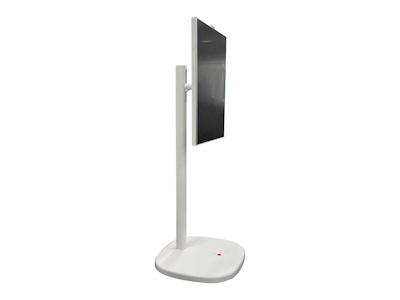
В последние годы выставочные стеллажи стали неотъемлемой частью коммерческого и культурного ландшафта, привлекая внимание бизнесменов, дизайнеров и обычных потребителей. Их популярность растет стремительными темпами, и это не случайность, а результат совокупности факторов, включая экономические изменения, технологические инновации, социальные тренды и эстетические предпочтения. В этой статье мы подробно рассмотрим, почему выставочные стеллажи сейчас так востребованы, анализируя их роль в различных контекстах, от ритейла до выставочных залов, и как они эволюционировали, чтобы удовлетворить современные потребности.
Одной из ключевых причин популярности выставочных стеллажей является их экономическая эффективность. В условиях растущей конкуренции в ритейле и других отраслях, бизнесы ищут способы максимизировать использование пространства и привлекать клиентов. Выставочные стеллажи предлагают гибкое решение для демонстрации товаров, позволяя эффективно организовать выкладку и увеличить продажи. Например, в супермаркетах стеллажи используются для создания привлекательных дисплеев, которые стимулируют импульсные покупки. Согласно исследованиям, хорошо организованные выставочные пространства могут повысить оборачиваемость товаров на 20-30%. Кроме того, стеллажи часто изготавливаются из недорогих материалов, таких как металл или дерево, что делает их доступными для малого и среднего бизнеса. Это особенно важно в эпоху экономической нестабильности, когда компании стремятся сократить издержки, не жертвуя качеством презентации.
Другой аспект — это адаптивность выставочных стеллажей к различным экономическим условиям. Они легко модифицируются или перемещаются, что позволяет бизнесам быстро реагировать на изменения спроса или сезонные колебания. Например, во время праздников стеллажи могут быть переоборудованы для тематических displays, что усиливает маркетинговый эффект. Эта гибкость снижает необходимость в капитальных вложениях в фиксированную мебель, делая стеллажи экономически выгодным выбором. Более того, с развитием электронной коммерции, физические магазины используют выставочные стеллажи для создания уникального опыта, который нельзя воспроизвести онлайн, тем самым укрепляя свое competitive advantage.
Технологический прогресс значительно повлиял на популярность выставочных стеллажей, превратив их из простых конструкций в умные системы. Современные стеллажи оснащаются датчиками, LED-подсветкой, интерактивными экранами и даже возможностями для IoT (Интернета вещей). Это позволяет собирать данные о поведении покупателей, например, отслеживая, какие товары привлекают больше внимания, и оптимизировать выкладку в реальном времени. Такие инновации не только улучшают user experience, но и повышают операционную эффективность. Например, в музеях умные стеллажи могут предоставлять дополнительную информацию через QR-коды или сенсорные панели, обогащая образовательный аспект выставок.
Кроме того, производственные технологии, такие как 3D-печать и модульное проектирование, сделали создание custom стеллажей более доступным и быстрым. Businesses can now order стеллажи, tailored to their specific needs, without high costs or long waiting times. This customization is crucial in today's market, where uniqueness and brand identity are highly valued. The integration of digital elements also extends to e-commerce: some стеллажи are designed to sync with online inventories, ensuring that physical displays always reflect current stock levels, reducing errors and improving customer satisfaction.
Социальные изменения, такие как растущий interest в опыте покупок и устойчивом развитии, также способствуют популярности выставочных стеллажей. Consumers today seek more than just products; they want immersive experiences that engage their senses. Выставочные стеллажи, особенно в retail и event spaces, are used to create thematic environments that tell a story and evoke emotions. For instance, in fashion stores, стеллажи are arranged to mimic runway shows, enhancing the brand's narrative and making shopping more enjoyable. This trend is part of the larger shift towards experiential retail, where physical spaces are designed to be destinations rather than mere points of sale.
Устойчивость — another key driver. Many modern выставочные стеллажи are made from eco-friendly materials, such as recycled wood or metal, and are designed for durability and reusability. This appeals to environmentally conscious consumers and businesses aiming to reduce their carbon footprint. Additionally, the modular nature of стеллажей means they can be repurposed or recycled, aligning with circular economy principles. In cultural contexts, like museums or galleries, стеллажи are used to promote sustainability by facilitating rotating exhibitions that minimize waste and maximize resource use.
Эстетические considerations play a significant role in the popularity of выставочные стеллажей. In an era where visual appeal is paramount, стеллажи have evolved from utilitarian objects to design statements. Architects and interior designers incorporate them into spaces to add visual interest and define zones. The variety of styles—from minimalist and industrial to ornate and custom-designed—allows стеллажи to complement any decor. For example, in high-end retail, стеллажи are often crafted from premium materials like glass or polished steel, reflecting luxury and sophistication.
Ergonomics is also important; well-designed стеллажи enhance accessibility and comfort for users, whether in a store or a exhibition hall. This focus on human-centered design ensures that стеллажи not only look good but also function seamlessly, contributing to their widespread adoption. The ability to customize colors, shapes, and configurations means that стеллажи can be tailored to specific brand aesthetics, reinforcing identity and cohesion in commercial spaces.
Популярность выставочных стеллажей is further fueled by their versatility across multiple industries. In retail, они are essential for product display, but their use extends to warehouses for storage, trade shows for booths, and even homes for organization. In the art world, стеллажи are used in galleries and museums to showcase artworks in a flexible and protective manner. Their adaptability makes them indispensable in settings where space is limited or needs to be multipurpose. For instance, in urban areas with high real estate costs, стеллажи allow businesses to maximize vertical space, increasing storage capacity without expanding footprints.
Educational institutions also benefit from стеллажи, using them in libraries or classrooms to organize materials and create interactive learning environments. The COVID-19 pandemic highlighted another aspect: стеллажи were used to set up temporary partitions or displays that adhere to social distancing guidelines, demonstrating their role in crisis response. This multifunctionality ensures that стеллажи remain relevant and in demand, regardless of economic or social shifts.
В заключение, популярность выставочных стеллажей обусловлена их ability to address contemporary needs through economic efficiency, technological integration, social relevance, and aesthetic appeal. As trends continue to evolve, мы can expect further innovations, such as augmented reality features or even more sustainable materials, that will keep стеллажи at the forefront of design and commerce. Their versatility and adaptability make them a timeless solution, ensuring that они will remain popular for years to come. Whether in a bustling store or a quiet gallery, выставочные стеллажи continue to shape how we interact with spaces and products, making them an indispensable tool in the modern world.
Таким образом, understanding the reasons behind their popularity not only highlights their current significance but also points to future opportunities for innovation and growth in this field.