Вы когда-нибудь задумывались, почему одни магазины привлекают толпы покупателей, а другие остаются в тени? Возможно, секрет кроется в простом, но мощном инструменте — выставочных стендах. В мире розничной торговли, где конкуренция достигает невероятных высот, умение правильно использовать витрины и стенды может стать решающим фактором для увеличения продаж. Но как именно это работает? Какие стратегии стоит применять, чтобы превратить обычный стенд в магнит для клиентов? И почему некоторые ритейлеры упускают этот потенциал, в то время как другие извлекают из него максимальную выгоду?
В этой статье мы погрузимся в глубины мерчандайзинга и визуального маркетинга, чтобы ответить на эти и многие другие вопросы. Мы рассмотрим реальные примеры, научные исследования и практические советы, которые помогут вам не только привлечь внимание покупателей, но и стимулировать их к совершению покупок. Готовы ли вы открыть для себя новые горизонты в управлении магазином? Тогда давайте начнем это увлекательное путешествие в мир выставочных стендов!
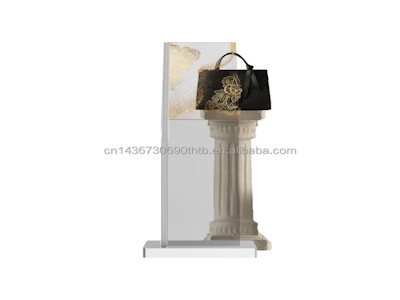
Выставочные стенды — это не просто конструкции для демонстрации товаров; это мощные инструменты коммуникации между брендом и потребителем. Они служат визуальным якорем в магазине, привлекающим взгляд и направляющим покупателя через пространство. Но почему они так эффективны? Исследования в области потребительской психологии показывают, что более 70% решений о покупке принимаются непосредственно в точке продажи, и визуальные элементы, такие как стенды, играют ключевую роль в этом процессе. Они не только информируют о продуктах, но и создают эмоциональную связь, которая может привести к увеличению среднего чека и лояльности клиентов.
Однако не все стенды созданы равными. Эффективный стенд должен сочетать в себе эстетику, функциональность и стратегическое размещение. Например, размещение новинок или распродажных товаров на видном месте у входа может увеличить трафик и продажи на 20-30%. Но как добиться такого результата? Это требует глубокого понимания поведения покупателей, тенденций рынка и основ дизайна. В следующих разделах мы разберем эти аспекты подробнее, чтобы вы могли применять их в своем бизнесе.
Чтобы выставочный стенд работал на увеличение продаж, он должен включать несколько критически важных элементов. Во-первых, это визуальная привлекательность. Яркие цвета, чистые линии и качественные материалы могут привлечь внимание даже самого рассеянного покупателя. Во-вторых, информативность: стенд должен четко сообщать о преимуществах продукта, ценах и акциях, но без перегруженности текстом. Исследования Nielsen показывают, что покупатели тратят в среднем всего несколько секунд на оценку стенда, поэтому информация должна быть легкой для восприятия.
Еще один ключевой аспект — интерактивность. В современную эпоху цифровых технологий статические стенды уступают место интерактивным решениям, таким как сенсорные экраны или QR-коды, которые предоставляют дополнительную информацию и вовлекают клиента. Например, магазины электроники часто используют интерактивные стенды для демонстрации функций гаджетов, что увеличивает конверсию на 15-25%. Но как интегрировать эти элементы без больших затрат? И какие ошибки следует избегать, чтобы не отпугнуть покупателей?
Кроме того, не забывайте о storytelling — использовании повествования для создания эмоциональной связи. Стенд, который рассказывает историю бренда или продукта, может значительно повысить вовлеченность. Подумайте о успешных кампаниях, таких как те, что проводятся в Apple Store: их стенды не просто展示 товары, а создают опыт, который покупатели хотят повторить. Это подводит нас к вопросу: как адаптировать эти принципы для вашего конкретного магазина, будь то небольшой бутик или крупная сеть?
Размещение выставочных стендов в магазине — это искусство, которое может кардинально изменить поток покупателей и уровень продаж. Основное правило — размещать стенды в "горячих точках", таких как зоны у входа, вдоль главных проходов или near касс, где трафик максимален. Но почему это работает? Психология пространства suggests that customers naturally gravitate towards these areas, and strategic placement can capitalize on this behavior to promote impulse buys or highlight high-margin items.
Однако, не все так просто. Размещение должно учитывать тип товара и целевую аудиторию. Например, для товаров повседневного спроса, таких как продукты питания, стенды у входа могут увеличить продажи на 10-20%, в то время как для luxury товаров более уместно размещение в quieter areas to create an exclusive feel. Кроме того, seasonal или promotional стенды should be rotated regularly to maintain freshness and avoid banner blindness. But how often should you change them? And what tools can help you analyze the effectiveness of different placements?
Использование данных и аналитики становится все более важным. Современные ритейлеры используют heat maps from video analytics or IoT sensors to track customer movement and optimize стенд placement. For instance, if data shows that customers spend more time in a certain aisle, placing a стенд there can boost sales by up to 30%. But is this accessible for small businesses? And what are the ethical considerations in tracking customer behavior? These questions highlight the need for a balanced approach that respects privacy while driving sales.
Понимание психологии покупателей — это ключ к созданию эффективных выставочных стендов. Человеческий мозг обрабатывает визуальную информацию быстрее, чем текст, и стенды, которые используют principles of color theory, spacing, and focal points, can trigger emotional responses that lead to purchases. For example, warm colors like red and orange are known to stimulate appetite and urgency, making them ideal for food or sale items, while cool colors like blue evoke trust and calm, suitable for electronics or healthcare products.
Еще один powerful psychological tool — social proof. Стенды, которые showcase customer reviews, ratings, or testimonials, can build credibility and reduce purchase hesitation. Studies indicate that products with visible social proof see a 15-30% increase in sales compared to those without. But how to integrate this without cluttering the design? And what about the role of scarcity — limited-time offers or low-stock indicators that create a fear of missing out (FOMO)? These tactics can be highly effective but must be used ethically to avoid misleading customers.
Кроме того, consider the concept of sensory marketing. Стенды that engage multiple senses — sight, touch, smell — can enhance the shopping experience and make products more memorable. For instance, a стенд for perfumes might include testers, or one for textiles might allow customers to feel the fabric. This multisensory approach can increase dwell time and conversion rates by up to 25%. But how to implement this in a cost-effective way? And what are the challenges in maintaining hygiene and safety, especially post-pandemic?
В эпоху цифровой трансформации выставочные стенды evolve beyond physical structures to incorporate technology that enhances engagement and data collection. Digital signage, for example, allows for dynamic content that can be updated in real-time based on inventory, trends, or customer demographics. This flexibility can lead to a 20-40% increase in sales by promoting relevant offers. But what about the costs? And how to ensure that technology doesn't overshadow the product itself?
Другой emerging trend — the use of augmented reality (AR) and virtual reality (VR) in стенды. These technologies enable customers to visualize products in their own space or experience them in immersive ways, which is particularly useful for furniture, fashion, or automotive industries. For instance, IKEA's AR app allows users to place virtual furniture in their homes, reducing return rates and increasing confidence in purchases. However, implementing AR/VR requires significant investment and technical expertise. Is it worth it for smaller retailers? And what are the best practices for integration?
Кроме того, IoT-enabled стенды can collect valuable data on customer interactions, such as which products are touched most frequently or how long people engage with the display. This data can inform inventory decisions, marketing strategies, and even product development. But with great data comes great responsibility — how to handle privacy concerns and comply with regulations like GDPR? These innovations offer exciting opportunities but also pose challenges that retailers must navigate carefully.
Создание эффективного выставочного стенда начинается с четкого определения целей: что вы хотите достичь — увеличить продажи конкретного продукта, продвинуть бренд или очистить запасы? Once goals are set, focus on design principles such as simplicity, consistency with brand identity, and accessibility. Use high-quality images and minimal text to communicate quickly. For maintenance, establish a routine for cleaning, restocking, and updating content to keep the стенд fresh and relevant. How often should you refresh it? Industry best practices suggest every 2-4 weeks for seasonal changes, but monitor performance to adjust.
Бюджетирование is another critical aspect. While custom-designed стенды can be expensive, there are cost-effective options like modular systems or DIY approaches using readily available materials. Allocate funds based on expected ROI; for example, if a стенд is projected to increase sales by 15%, invest accordingly. Also, train staff to engage customers at the стенд — a friendly associate can answer questions and encourage purchases, boosting effectiveness by up to 50%. But how to measure the ROI of a стенд? Use metrics like sales lift, foot traffic, and customer feedback to evaluate success.
Наконец, не забывайте о тестировании и итерации. A/B testing different designs, placements, or messages can reveal what works best for your audience. Start small with a pilot стенд, collect data, and scale successful strategies. Remember, what works for one store may not work for another due to differences in location, demographics, or product mix. By adopting a data-driven approach, you can continuously optimize your стенды for maximum impact on sales.
В заключение, выставочные стенды remain a vital tool for increasing sales in retail, but their effectiveness depends on strategic design, placement, and integration with technology and psychology. As consumer behaviors evolve towards more experiential and digital shopping, стенды must adapt to stay relevant. The future may see greater use of personalization through AI, where стенды display content tailored to individual shoppers based on their preferences or purchase history.
Однако, amidst these advancements, the core principle remains unchanged: стенды should enhance the customer experience and make shopping easier and more enjoyable. By asking the right questions — How can I make my стенд more engaging? What do my customers truly want? — retailers can unlock new levels of success. So, are you ready to transform your store's стенды into powerful sales drivers? The journey starts with a single step: evaluate your current setup and experiment with the insights shared here. Who knows? Your next стенд could be the key to doubling your sales!
This article has explored various angles, but the topic is vast. Keep learning, stay innovative, and always put the customer first. Happy selling!