В современном мире, где экологические проблемы становятся все более острыми, экономия энергии играет ключевую роль в обеспечении устойчивого будущего для нашей планеты. Одним из эффективных способов снижения энергопотребления является использование световых коробов, которые не только экономят электроэнергию, но и способствуют сокращению выбросов углекислого газа. В этой статье мы подробно рассмотрим, как световые короба могут помочь в заботе о природе, обсудим их преимущества, технологические аспекты и практические применения, а также предложим рекомендации для широкого внедрения этих решений.
Глобальное энергопотребление продолжает расти с угрожающей скоростью, что напрямую связано с увеличением выбросов парниковых газов и ускорением изменения климата. По данным Международного энергетического агентства, на освещение приходится около 15% мирового потребления электроэнергии, что делает эту область критически важной для оптимизации. Традиционные методы освещения, такие как лампы накаливания и люминесцентные лампы, не только потребляют большое количество энергии, но и имеют короткий срок службы, что приводит к дополнительным waste и загрязнению окружающей среды. В этом контексте световые короба, оснащенные современными светодиодными технологиями, предлагают инновационное решение для снижения энергозатрат и поддержки экологической устойчивости.
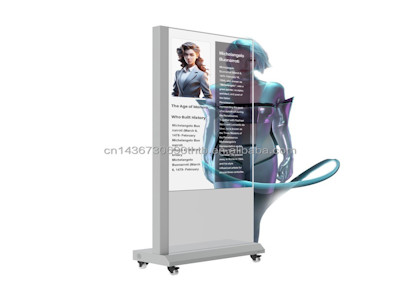
Световые короба — это устройства, предназначенные для равномерного и эффективного распределения света, часто используемые в рекламе, архитектуре и интерьерах. Они состоят из корпуса, источника света (обычно светодиодов) и рассеивателя, который обеспечивает мягкое и направленное освещение. Ключевое преимущество световых коробов заключается в их высокой энергоэффективности: светодиоды потребляют на 80-90% меньше энергии по сравнению с традиционными лампами, при этом обеспечивая аналогичную или даже лучшую яркость. Кроме того, LED технологии имеют длительный срок службы (до 50,000 часов и более), что сокращает частоту замены и уменьшает объем электронных отходов. Это делает световые короба не только экономически выгодными, но и экологически ответственными решениями.
Использование световых коробов с LED освещением приносит múltiples экологические выгоды. Во-первых, значительное снижение энергопотребления directly сокращает выбросы CO2, поскольку меньше электроэнергии требуется от fossil fuel-based источников. Например, замена традиционного освещения на светодиодное в масштабах города может привести к уменьшению углеродного следа на thousands of tons annually. Во-вторых, светодиоды не содержат hazardous materials, таких как ртуть, которая присутствует в люминесцентных лампах, что делает их безопаснее для утилизации и reduces environmental contamination. Более того, долговечность LED снижает частоту производства и транспортировки новых products, further minimizing resource extraction and carbon emissions associated with manufacturing. Эти преимущества highlight how световые короба contribute to a circular economy and support global sustainability goals, such as those outlined in the Paris Agreement.
Современные световые короба incorporate advanced technologies that enhance their efficiency and environmental friendliness. Smart lighting systems, for instance, allow for automatic dimming or turning off lights based on occupancy or natural light levels, using sensors and IoT connectivity. This not only saves energy but also extends the lifespan of LEDs. Additionally, developments in materials science have led to more sustainable components, such as recyclable aluminum frames and biodegradable diffusers. Solar-powered light boxes are another innovation, harnessing renewable energy to operate completely off-grid, thus eliminating reliance on non-renewable resources. These technological advancements make light boxes not just tools for illumination but integral parts of smart cities and green buildings, promoting energy independence and reducing overall ecological impact.
Световые короба нашли широкое применение в различных sectors, демонстрируя their effectiveness in energy savings. In retail, for example, stores using LED light boxes for signage have reported up to 60% reduction in energy costs compared to traditional neon signs. A case study from a major supermarket chain in Europe showed that switching to LED light boxes resulted in annual savings of over 100,000 kWh per store, equivalent to planting thousands of trees to offset carbon emissions. In urban settings, municipalities are adopting solar-powered light boxes for public information displays, reducing electricity bills and enhancing resilience during power outages. Furthermore, in residential areas, light boxes are used for aesthetic lighting with minimal energy use, contributing to lower household carbon footprints. These real-world examples underscore the practicality and scalability of light box solutions for broader environmental benefits.
Чтобы максимизировать положительное воздействие световых коробов на окружающую среду, необходимо предпринять several steps. Governments and organizations should incentivize the adoption of energy-efficient lighting through subsidies, tax breaks, and public awareness campaigns. Standards and regulations for energy consumption in lighting should be tightened to phase out inefficient technologies. Consumers and businesses can start by auditing their current lighting systems and replacing them with LED-based light boxes, focusing on areas with high usage. Looking ahead, the integration of artificial intelligence and renewable energy sources will further enhance the efficiency of light boxes. For instance, AI algorithms can optimize lighting schedules based on weather patterns and user behavior, while advancements in battery storage will make solar-powered options more reliable. The future of light boxes lies in their ability to seamlessly blend into sustainable urban infrastructures, ultimately contributing to a healthier planet for generations to come.
В заключение, световые короба представляют собой мощный инструмент для экономии энергии и заботы о природе, offering a practical path towards a sustainable future. Их энергоэффективность, экологические преимущества и technological innovations make them an essential component in the fight against climate change. By adopting and promoting these solutions, we can significantly reduce our carbon footprint, conserve resources, and ensure a brighter tomorrow for our planet. It is imperative that individuals, businesses, and policymakers work together to embrace light boxes and other green technologies, fostering a culture of environmental stewardship that will benefit all of humanity.