

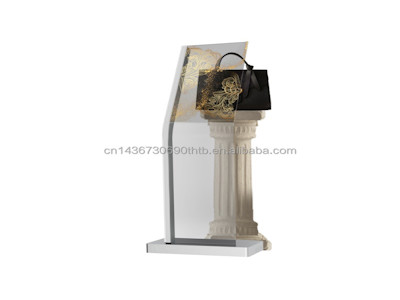
В современном мире стенды стали неотъемлемой частью различных сфер деятельности: от образования и рекламы до строительства и выставок. Они служат эффективным инструментом для передачи информации, привлечения внимания и организации пространства. Однако разнообразие типов стендов может вызвать затруднения при выборе и использовании. В этой статье мы подробно рассмотрим, какие бывают типы стендов, как их классифицировать, и дадим практические рекомендации по их правильному применению. Эта информация поможет вам сделать осознанный выбор и максимально эффективно использовать стенды в вашей работе или личных проектах.
Стенды — это универсальные конструкции, предназначенные для размещения информации, демонстрации продуктов или организации пространства. Их история насчитывает десятилетия, и за это время они эволюционировали от простых деревянных щитов до высокотехнологичных интерактивных систем. Основная функция стендов — коммуникация: они позволяют донести сообщение до аудитории в наглядной и доступной форме. В зависимости от контекста, стенды могут выполнять образовательную, рекламную, информационную или decorative функции.
Важность правильного использования стендов нельзя переоценить. Неверный выбор типа или неправильная установка могут снизить эффективность коммуникации, привести к финансовым потерям или даже создать опасные ситуации (например, в строительной сфере). Поэтому понимание классификации и best practices является ключевым для anyone, кто работает с стендами. В этой статье мы уделим внимание не только теоретическим аспектам, но и практическим примерам, чтобы вы могли apply эти знания в real life.
С развитием технологий стенды стали более интерактивными и адаптивными. Например, digital стенды с сенсорными экранами позволяют пользователям взаимодействовать с контентом, что повышает вовлеченность. Однако традиционные стенды из картона или пластика still имеют своё место due to их low cost и simplicity. В целом, рынок стендов предлагает wide range вариантов, и наша goal — помочь вам navigate в этом diversity.
Один из самых common способов классификации стендов — по их назначению. Это помогает quickly определить, какой тип стенда подходит для specific задачи. Ниже мы рассмотрим основные categories.
Информационные стенды designed для передачи static или dynamic информации. Они часто used в public places, таких как airports, hospitals, schools, и offices. Examples include:
Правильное использование: Ensure информация is clear, up-to-date, и easily accessible. Размещайте стенды в high-traffic areas для maximum visibility. Используйте durable materials, если стенд exposed to weather или vandalism.
Рекламные стенды aim to promote products, services, или brands. Они can be found в trade shows, retail stores, или on streets. Types include:
Правильное использование: Focus on eye-catching design и clear messaging. Consider the target audience и location. For example, use bright colors и simple text для street advertising, но more detailed content для trade shows. Регулярно обновляйте контент to keep it fresh.
Строительные стенды used в construction sites для safety, information, и organization. Они often include:
Правильное использование: Prioritize durability и visibility. Use materials that can withstand harsh conditions. Ensure информация is compliant with local regulations и easily understandable для workers. Regularly inspect и maintain стенды to ensure они remain effective.
Выставочные стенды designed для trade shows, exhibitions, и conferences. Они serve to showcase products или services и attract visitors. Varieties include:
Правильное использование: Plan the layout to facilitate interaction. Use lighting и graphics to create an inviting atmosphere. Train staff to engage with visitors effectively. After the event, evaluate performance и make adjustments для future use.
Образовательные стенды used в schools, museums, и training centers to facilitate learning. Они can be:
Правильное использование: Align the content with learning objectives. Make it visually appealing и age-appropriate. Encourage interaction to deepen understanding. Regularly update to reflect new information или feedback.
Another way to categorize стенды is by the materials used и their construction. This affects durability, cost, и applicability.
Деревянные стенды offer a classic и natural look. Они often used для permanent installations или high-end presentations. Pros: aesthetic appeal, durability. Cons: heavy, can be expensive, susceptible to moisture. Use for indoor settings где elegance is important.
Пластиковые стенды lightweight, affordable, и versatile. Они common для temporary use или budget-conscious projects. Pros: easy to clean, resistant to weather. Cons: can look cheap, not eco-friendly. Ideal для events или short-term promotions.
Металлические стенды robust и secure. Они used в high-traffic areas или для outdoor advertising. Pros: very durable, tamper-resistant. Cons: heavy, costlier. Suitable для permanent installations где security is a concern.
Цифровые стенды incorporate screens и technology для dynamic content. Они becoming increasingly popular due to their flexibility. Pros: easy to update, interactive capabilities. Cons: high initial cost, requires power source. Best для modern environments где engagement is key.
Гибридные стенды combine materials, e.g., metal frame with digital elements. Они offer the best of both worlds. Pros: customizable, versatile. Cons: can be complex to design. Use для multi-purpose applications.
Regardless of the type, proper use of стендов involves planning, execution, и maintenance. Here are some general tips.
Before selecting a стенд, define your goals: what message do you want to convey? Who is your audience? Choose a design that aligns with your brand или purpose. Use clear fonts, contrasting colors, и minimal text to avoid clutter. If possible, test the design with a focus group.
Place стенды in locations with high visibility и foot traffic. Ensure они are at eye level и accessible to all, including people with disabilities. For outdoor стенды, consider weather conditions и use appropriate anchoring to prevent damage. Follow manufacturer instructions для assembly.
Regularly check стенды for damage или wear. Update content as needed to keep it relevant. For digital стенды, ensure software is up-to-date и backups are in place. Clean surfaces to maintain appearance.
Use metrics to evaluate success. For example, track engagement rates для рекламных стендов или test scores для образовательных. Gather feedback from users и make improvements accordingly.
Стенды are powerful tools that, when used correctly, can enhance communication, safety, и engagement across various fields. By understanding the different types and following best practices, you can maximize their benefits. Remember to choose the right стенд for your specific needs, invest in quality design и materials, и continuously adapt based on feedback. Whether you're a business owner, educator, или construction manager, this knowledge will help you leverage стенды effectively.
In the future, we can expect further innovation in стенды, such as augmented reality integration или sustainable materials. Staying informed about these trends will ensure you remain ahead of the curve. Thank you for reading, and we hope this article has provided valuable insights into the world of стендов.